

 7-Aug-26 4 min. read
How to Transport a Non-Running Car
Learn how disabled vehicles are loaded and transported when they cannot start, steer, roll, or move safely under their own power.
Read our cost guide Proudly American
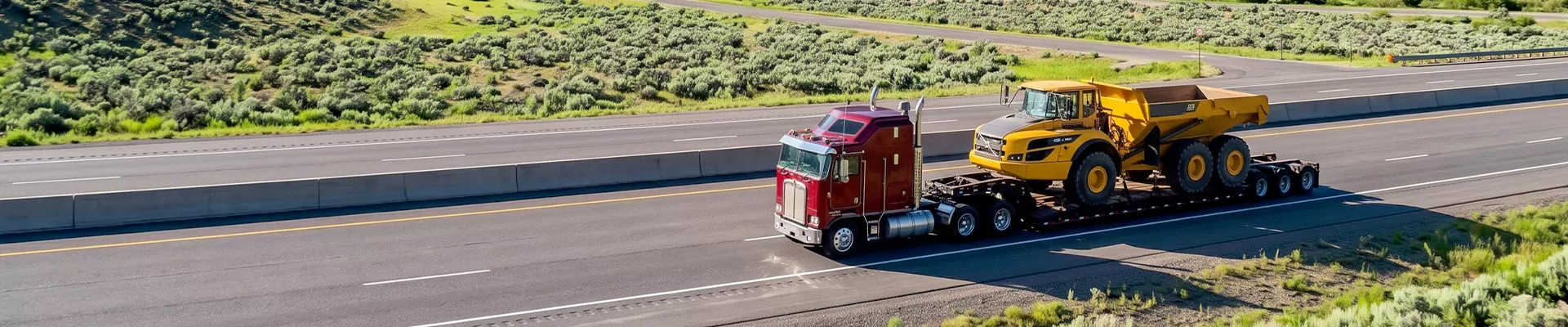
A non-running car can be transported on a winch-equipped carrier when it can roll and steer while the brakes still work. This approach is also common in heavy equipment hauling, where specialized loading equipment is used to move inoperable machinery safely. Non-running vehicle shipments averaged $1,481 in July 2026 data. That was about $306 more than the average price for an operable vehicle.
A car with locked wheels or severe collision damage may need a rollback truck or forklift. Telling the carrier the exact condition before dispatch prevents refused pickup and unexpected equipment charges.
The engine problem is not always the main issue. Loading becomes difficult when the transmission cannot enter neutral or the steering remains locked. A five-minute condition check can reveal which transport method the vehicle needs.
A non-running car is any vehicle that cannot drive onto a trailer under its own power. The vehicle may still roll and steer even though the engine does not start. Failed brakes or locked wheels can also make a running engine unsafe for standard loading.
Transporters often classify vehicle condition by what the car can still do. A dead battery creates a simpler loading job than a seized transmission.
Use these four condition levels:
A car that runs can still count as inoperable when the brakes have failed. The driver cannot safely control it on a narrow trailer deck.
Electronic controls can create another problem. Some modern vehicles need battery power to release the parking brake or shift out of park.
The most useful description is not “the car does not run.” Tell the carrier which wheels move and whether the steering unlocks. State if the brakes hold the vehicle.
Non-running car transport starts with a mechanical condition report and equipment match. A winch-equipped carrier can load a vehicle that moves freely in neutral. A fully immobile car may need a rollback or forklift before it can enter the main transport trailer.
Place the transmission in neutral only when it is safe to do so. Confirm that each wheel turns without dragging.
Turn the steering wheel with the key present. Some steering columns remain locked when the battery has failed.
Press the brake pedal and check whether it holds pressure. Tell the transporter when the brake system does not work.
Do not push the car onto a public road for this test. Complete the check on private level ground with wheel chocks available.
Tell the transporter why the vehicle cannot drive. State if the problem involves the engine or transmission.
Report missing wheels or flat tires before receiving the final price. Mention collision damage that changes the vehicle’s width or height.
The quote should state that the car is inoperable. A standard operable-vehicle rate may not include winch loading.
Hiding the condition rarely saves money. The driver can refuse pickup when the assigned trailer cannot load the vehicle.
A powered winch works when the car can roll in a straight line. The cable pulls the vehicle slowly onto the trailer.
A rollback truck works better when access is limited. Its bed tilts toward the ground to reduce the loading angle.
Wheel skates help move a car with seized brakes. Dollies can support wheels that cannot turn.
A forklift may be required at a salvage yard when the vehicle has severe structural damage. The operator must use approved lift points to limit underbody damage.
The carrier needs level ground with enough room to align the trailer. A steep driveway can change the winch angle.
Remove parked vehicles that block the loading path. Open locked gates before the driver arrives.
Tell the carrier when the car sits inside a garage. A full-size transport trailer cannot winch a vehicle through every doorway.
A local rollback may need to move the car from its storage point to a truck-friendly loading area.
Remove loose parts from the cabin and trunk. Unsecured objects can shift during loading.
Inflate the tires when they can still hold air. A flat tire increases winch resistance and can damage the sidewall.
Provide a working key even when the engine does not start. The driver may need it to unlock the steering column.
Leave only enough fuel for possible loading movements. Extra fuel adds weight without helping the shipment.
Clean visible dirt from the exterior. Dirt can hide scratches or dents.
Take photographs from every corner. Add close images of existing body damage.
Photograph the wheels and underbody when access allows. Record the odometer before pickup.
Review the bill of lading with the driver. Make sure all existing damage appears before you sign.
The driver should pull the vehicle at a steady angle. Sudden cable movement can shift the steering direction.
A winch cable loads the vehicle but does not replace transport restraints. Federal cargo rules include specific securement requirements for automobiles that weigh 10,000 pounds or less.
The carrier should secure the vehicle after it reaches its trailer position. Tire straps or approved tie-downs keep it from moving during braking.
Stay clear of the cable path during loading. A tensioned winch line can cause serious injury if it fails.
Compare the delivered vehicle with the pickup photographs. Check the bumper and wheels before signing.
Look beneath low body panels for fresh scraping. Winch loading can place extra stress on low-clearance parts.
Record new damage on the delivery document. Take photographs while the carrier remains present.
Arrange a tow truck when the car cannot move from the unloading point. The transport driver normally unloads the vehicle onto an accessible surface.
A winch-equipped open carrier is usually the lowest-cost method for a vehicle that rolls freely. A flatbed or rollback suits a car that cannot steer. Enclosed liftgate transport protects valuable vehicles while reducing the loading angle for low-clearance bodywork.
| Vehicle condition | Suitable method | Main equipment | Cost effect |
|---|---|---|---|
| Does not start but rolls | Open carrier | Powered winch | Lowest inoperable premium |
| Steering does not work | Flatbed or rollback | Dollies and winch | Higher loading charge |
| Wheels are locked | Recovery transport | Skates or forklift | Higher labor cost |
| Valuable low-clearance car | Enclosed carrier | Hydraulic liftgate | Highest transport price |
Open transport exposes the vehicle to rain and normal road debris. It still works for most repair vehicles or project cars.
A flatbed carries fewer vehicles than a multi-car trailer. That reduced capacity can raise the price for a long trip.
Enclosed transport makes sense when the vehicle has rare paint or fragile exterior parts. A liftgate can also protect a low front bumper from a steep ramp.
The cheapest method is not always the correct one. A standard winch cannot solve locked wheels without added equipment.
A non-running vehicle typically costs $150 to $300 more than a similar operable shipment when standard winch loading is enough. July 2026 shipment data showed a $1,390 median and a $1,481 average. The typical recorded range was $1,000 to $1,830.
| Vehicle condition | Typical added cost | Reason |
|---|---|---|
| Rolls and steers | $150 to $300 | Standard winch loading |
| Does not roll freely | $250 to $400 or more | Skates or added labor |
| Needs separate rollback | Based on local tow charge | Transfer to loading area |
| Needs a forklift | Based on site equipment | Severe immobility |
| Needs enclosed liftgate | Enclosed carrier premium | Added protection |
One marketplace guide places the added non-running charge between $100 and $500. The wider range reflects different equipment needs and carrier availability.
A vehicle that rolls freely often stays near the lower end. Locked wheels can move the shipment toward the higher end.
The total price also changes with distance and vehicle size. A full-size truck costs more because it uses extra trailer space.
The condition fee should appear in the written car hauling quote. Ask whether the price includes the winch or only the basic trailer space.
A low estimate can change when the driver finds a car that cannot enter neutral. Accurate details produce a more stable final price.
You can complete a safe condition test by checking neutral position and steering movement. Test whether each tire rolls without dragging. Check the brakes on level private ground. Stop when the vehicle moves unexpectedly or the test requires crawling beneath an unsupported car.
Use this checklist:
Do not test the car on a slope. A failed brake system can allow the vehicle to roll without control.
Use wheel chocks before changing the transmission position. Keep hands away from tire paths.
A vehicle that passes this test will often work with a normal carrier winch. A vehicle that fails needs a more detailed equipment plan.
The counterintuitive point is that a dead engine can be easier to transport than a running car with locked wheels. Wheel movement matters more during loading than engine operation.
A failed pickup often starts with an incomplete condition report or a carrier without the right equipment. Missing federal registration creates another risk. The written order should name the vehicle condition and trailer type. Stop when the arriving truck does not match the assigned carrier.
Check these ten warning signs:
Record the truck and trailer plate information at pickup. FMCSA recommends confirming that the arriving carrier matches the business you hired.
A polished website does not prove that the carrier identity is genuine. Verify the MC number through the federal database.
Professional help is needed when the vehicle cannot roll or has failed steering. It also matters when the car has severe collision damage. A transporter can select winch equipment or arrange a rollback transfer. The carrier should confirm trailer access before dispatch.
Call before booking when any wheel is missing. Report seized brakes or a locked transmission.
Ask for a liftgate when the vehicle has very low ground clearance. A standard ramp may contact the bumper.
Tell the transporter when the vehicle sits in mud or soft ground. A winch cannot safely load every recovery position.
A professional should confirm whether a forklift is needed. Forklift loading should happen only where suitable equipment and trained operators are available.
Ask whether the business is a broker or carrier. Verify the MC number before paying.
Request the assigned carrier’s cargo insurance information. Check the active dates and claim instructions.
Professional coordination does not replace your inspection. Review the bill of lading at pickup and delivery.
You can prevent extra costs by reporting the exact vehicle condition before receiving the final quote. Prepare a clear loading path and provide a working key. Inflate the tires when possible. Document existing damage so the driver can complete an accurate pickup inspection.
Use this preparation schedule:
Keep removed vehicle parts outside the cabin. Pack them separately when the carrier agrees to transport them.
Do not repair the vehicle after receiving a quote without reporting the change. A new wheel problem can alter the equipment requirement.
Avoid disconnecting the battery when electronic power is needed to release the parking brake. Tell the driver about this requirement.
Do not leave the parking brake applied when the carrier needs the car to roll. Follow the driver’s instructions during loading.
The cost of preparation is usually limited to tire inflation or a replacement key. A failed pickup can create a new dispatch fee and several days of delay.
Transporting a non-running car starts with checking whether it rolls and steers while the brakes still work. A standard winch shipment often adds $150 to $300 in 2026. Locked wheels require different equipment and can cost more. Give the carrier an exact condition report and verify federal registration. This week, complete the movement checklist and photograph the vehicle before requesting the final price.
7-Aug-26 4 min. read
Learn how disabled vehicles are loaded and transported when they cannot start, steer, roll, or move safely under their own power.
Read our cost guideNeed Help?
One call solves it all.